
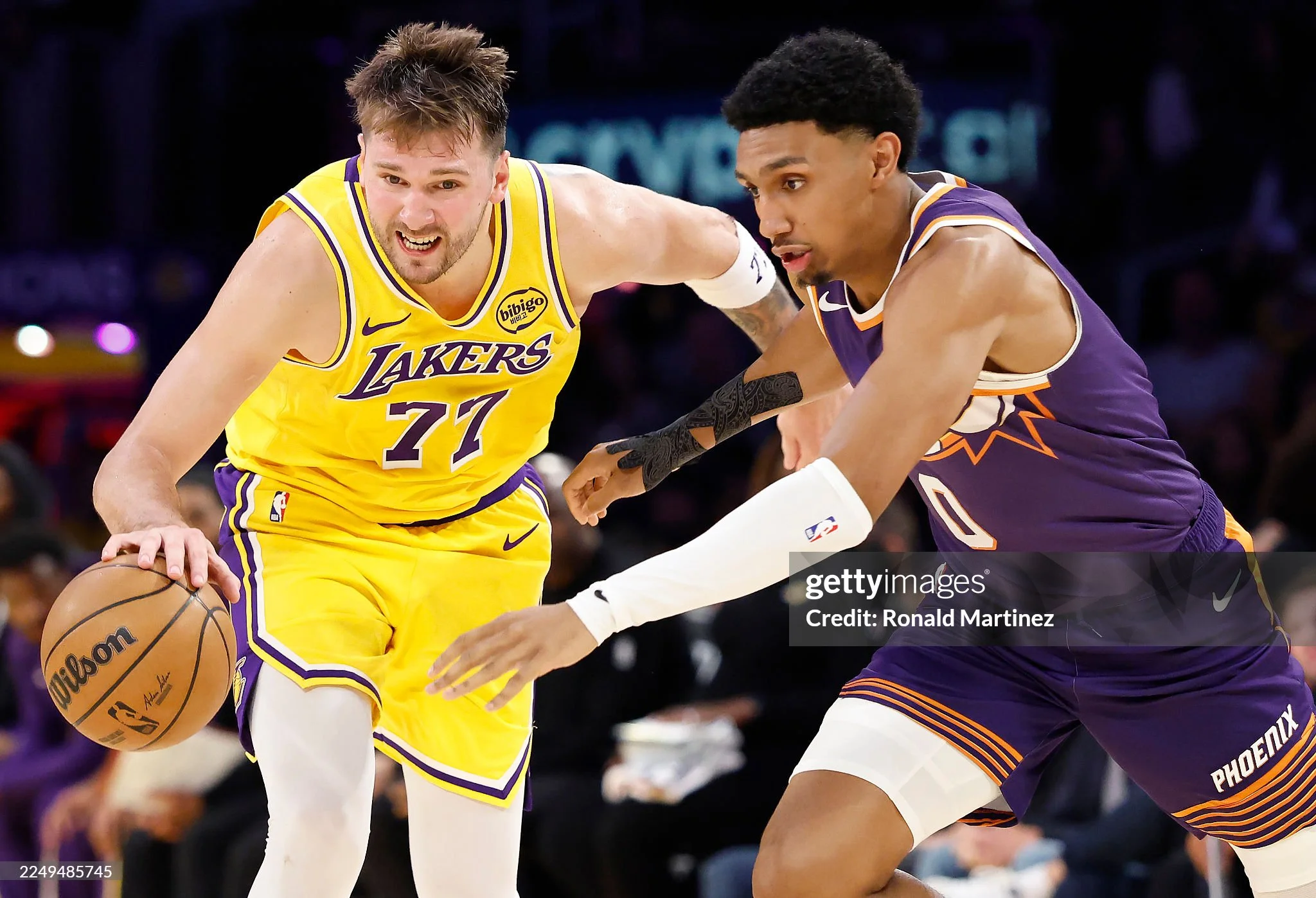
The Los Angeles Lakers have entered a new era built around Luka Dončić, yet an old problem continues to haunt the franchise:
they’re miles behind the NBA’s draft-and-develop movement.
During the Rob Pelinka era, LA has relied heavily on top-heavy rosters—mixing stars with aging veterans rather than building depth through affordable young players. Pelinka deserves his flowers for finding hidden gems like Alex Caruso and Austin Reaves, but the organization’s long-term strategy still trails behind the rest of the league.
And in today’s NBA, that gap is more dangerous than ever.
📉 The NBA Is Winning With Cheap Internal Development — Except the Lakers
Across the league, contenders are thriving with players drafted outside the lottery—and often outside the first round entirely.
Examples are everywhere:
- Oklahoma City Thunder:
- Isaiah Joe, Ajay Mitchell, Aaron Wiggins — all second-round steals
- Denver Nuggets:
- Peyton Watson & Christian Braun — drafted after pick No. 20, both earning under $10M combined
- Houston Rockets:
- Alperen Sengun (No. 16), Tari Eason (No. 17) — both under $8M annually on rookie deals
This trend has reshaped how contenders build depth. Teams are investing in cost-efficient rookies, developing them internally, and avoiding an overreliance on free agency—where prices spike and fits are unpredictable.
Meanwhile, the Lakers have traded pick after pick for ready-made talent, sacrificing the chance to build a sustainable pipeline of young contributors.
🚨 Lakers’ Draft Capital Problem
The numbers make the issue even clearer:
- First-round picks available: 2026, 2028, 2030, 2031, 2032
- Trade-eligible first-rounder right now: 2031
- Second-round picks available: none until 2023
For a franchise with multiple max contracts — including Luka Dončić and Austin Reaves soon to receive big raises — cheap talent is no longer optional.
It’s essential.
💸 The Cost of Skipping the Draft
Players like Rui Hachimura and Austin Reaves have thrived in Los Angeles, but both reached eight-figure salaries within two seasons.
Those jumps matter under the new restrictive CBA, where expensive rosters are punished severely. Other contenders are thriving because they balance star contracts with bargain rookie deals.
The Lakers?
They’re paying premium prices across the board — with no pipeline of inexpensive young talent to offset it.
🧪 What Other Teams Can Do That Lakers Can’t
Teams loaded with young draft picks have enormous flexibility:
- They can take risks on misfit or overpaid players (Thunder with Hartenstein)
- They can trade oversized contracts if depth collapses
- They can fill roles internally instead of chasing minimum contracts
Los Angeles doesn’t have that luxury.
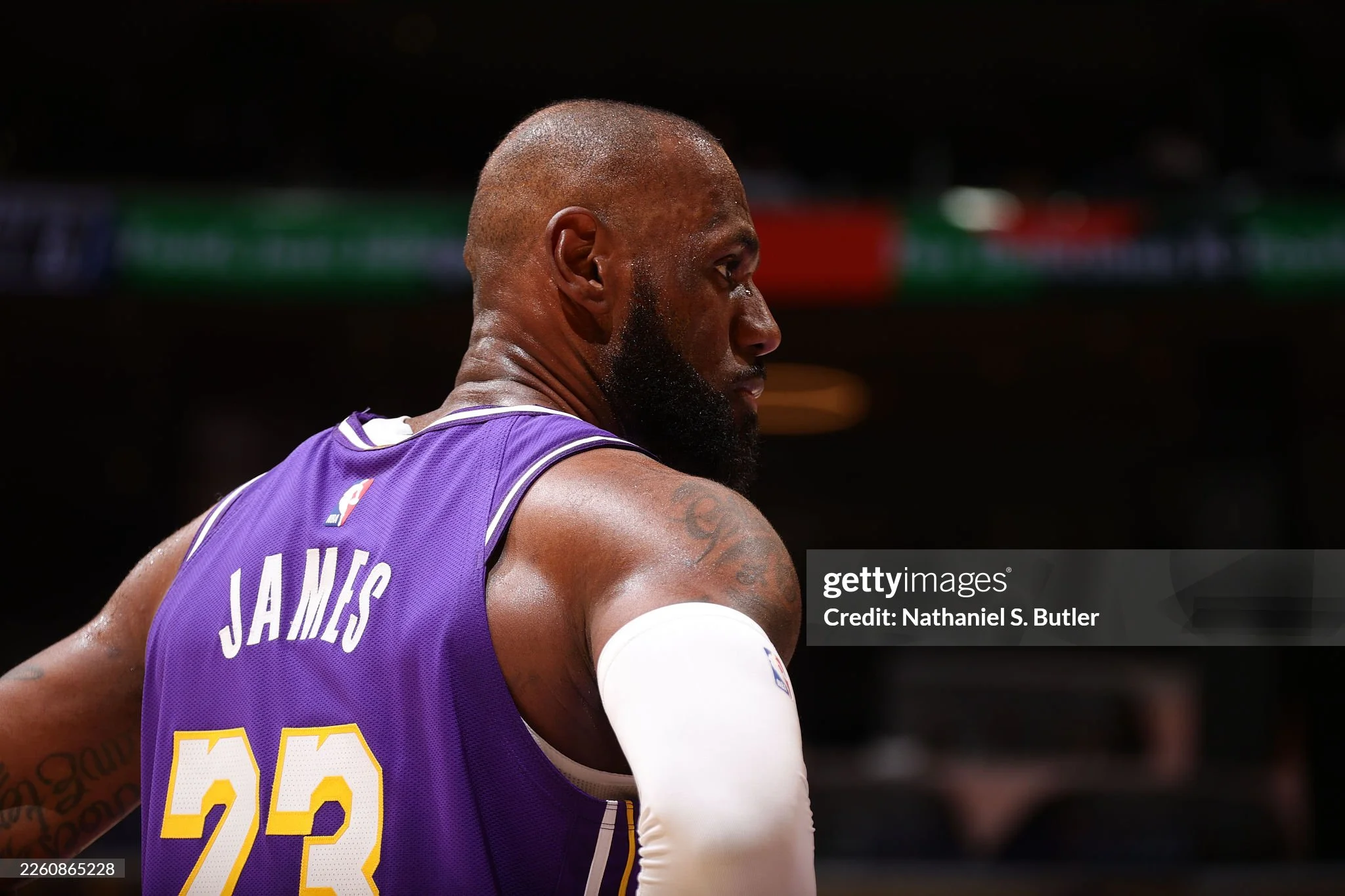
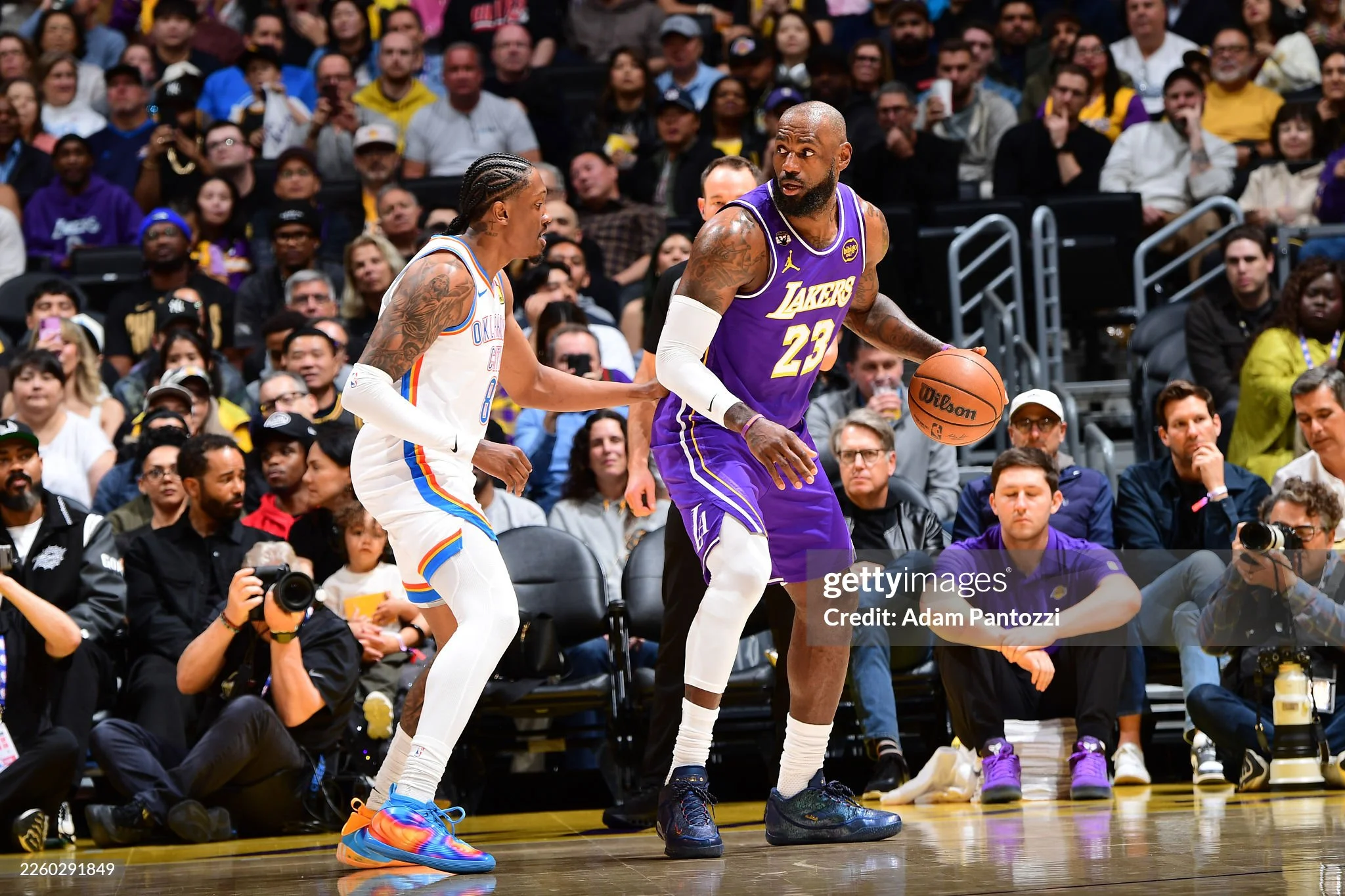
With Dončić entering his prime, Reaves set for a major payday in 2026, and LeBron nearing retirement, the Lakers’ margin for error is shrinking quickly.
They simply can’t afford a single contract to become dead weight.
🧭 A Small Window to Course-Correct
The path forward isn’t easy — but it’s not impossible.
The Lakers still own premium first-round picks in:
- 2026
- 2028
Hitting on those selections is no longer optional.
Those picks must produce rotation-level contributors who can grow under the Lakers’ system and keep the Dončić era sustainable.
The franchise also needs to explore creative ways to recoup draft assets, whether through minor trades, salary balancing, or taking on contracts with attached picks.
🏁 The Bottom Line: The NBA Has Moved On, and the Lakers Need to Catch Up
In a league dominated by teams turning late draft picks into real contributors, the Lakers’ approach is starting to feel outdated — and dangerously risky.
To maximize Luka Dončić’s championship window, Los Angeles can’t keep ignoring the NBA’s biggest trend.
They must start drafting, developing, and building from within — before the gap becomes impossible to close.
Join the Discussion
0 Comment(s)
Login to join the discussion: