
Why This Game Was Closer on the Scoreboard Than on the Floor
On paper, the Lakers did enough to stay competitive. They shot 41.7% from three-point range and received near triple-doubles from both LeBron James and Luka Dončić. That usually puts them in position to win.
But the flow of the game told a different story.
Milwaukee consistently dictated where shots came from, especially in the paint, and forced Los Angeles into uncomfortable decisions late in possessions. The Bucks never allowed the Lakers to fully control tempo, which became critical in the fourth quarter.
Giannis Set the Tone Without Forcing the Game
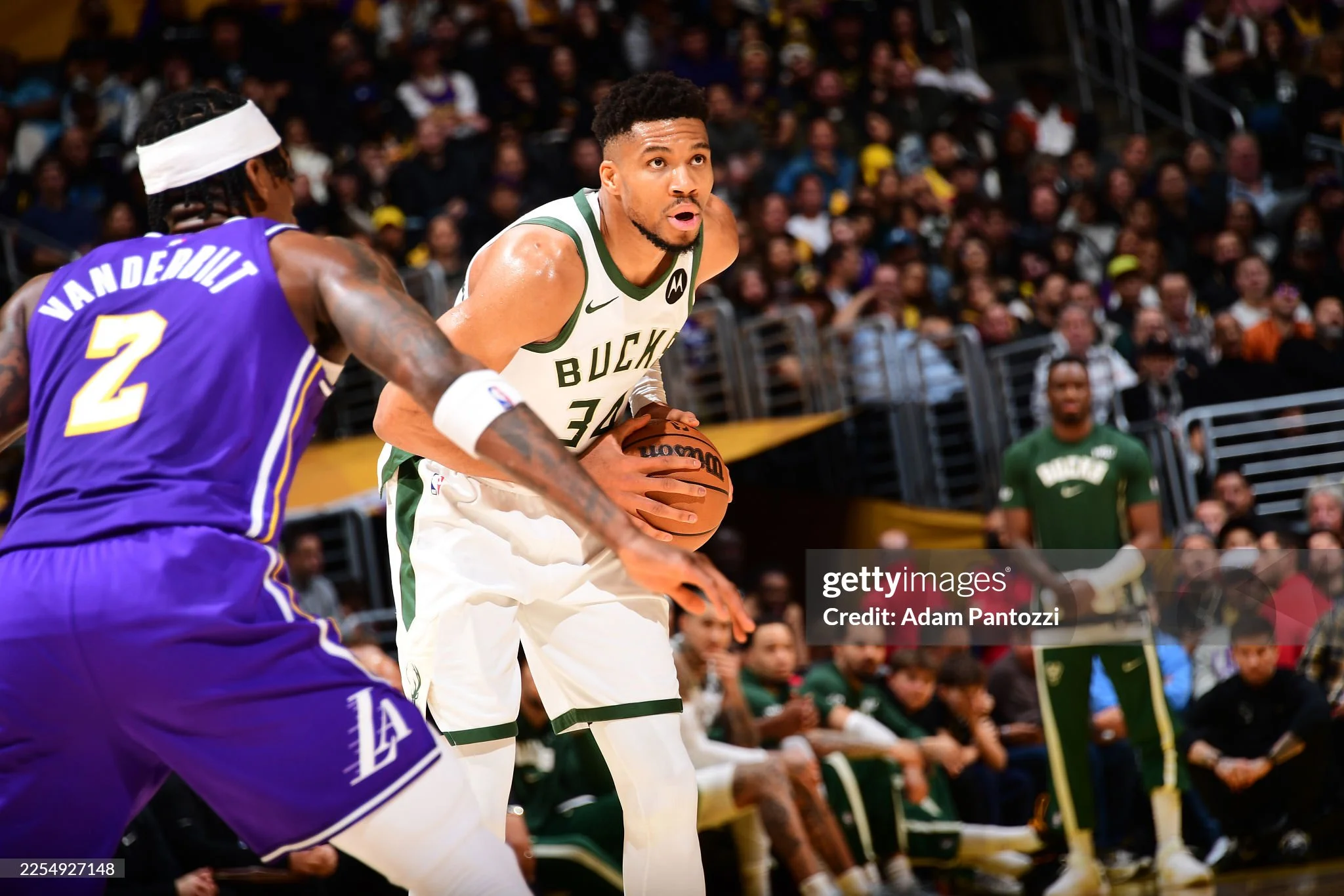
Giannis Antetokounmpo did not dominate through volume. He dominated through efficiency and pressure.
Finishing with 21 points, six rebounds, and five assists on 9-of-11 shooting, Giannis repeatedly collapsed the Lakers’ defense with direct, decisive attacks. What stood out was not just the scoring, but how early help was forced to commit — opening clean looks for shooters and cutters.
This does not always appear in basic stats, but watching the game shows how Giannis’ rim pressure shaped every defensive decision Los Angeles made.
Kevin Porter Jr. Was the Difference in the Middle Quarters
In my view, the swing stretch of the game came when Kevin Porter Jr. stabilized Milwaukee’s offense while the stars rested.
Porter finished with 22 points and six assists, but his value went beyond numbers. He consistently punished soft coverage, attacked closeouts, and kept the Bucks from falling into stagnant possessions — something that has hurt them in past close games.
Those minutes mattered. They prevented momentum swings and allowed Milwaukee to keep control without overextending Giannis.
Supporting Cast Did Enough — And That Was the Point
Myles Turner and AJ Green did not post eye-catching lines, but their contributions were timely. Turner’s presence helped deter drives, while Green’s spacing prevented the Lakers from loading up defensively.
This allowed the Bucks to manage minutes and avoid desperation rotations late. Milwaukee did not need hero ball. They needed reliability — and they got it.
Lakers’ Stars Showed Up, But the Details Didn’t
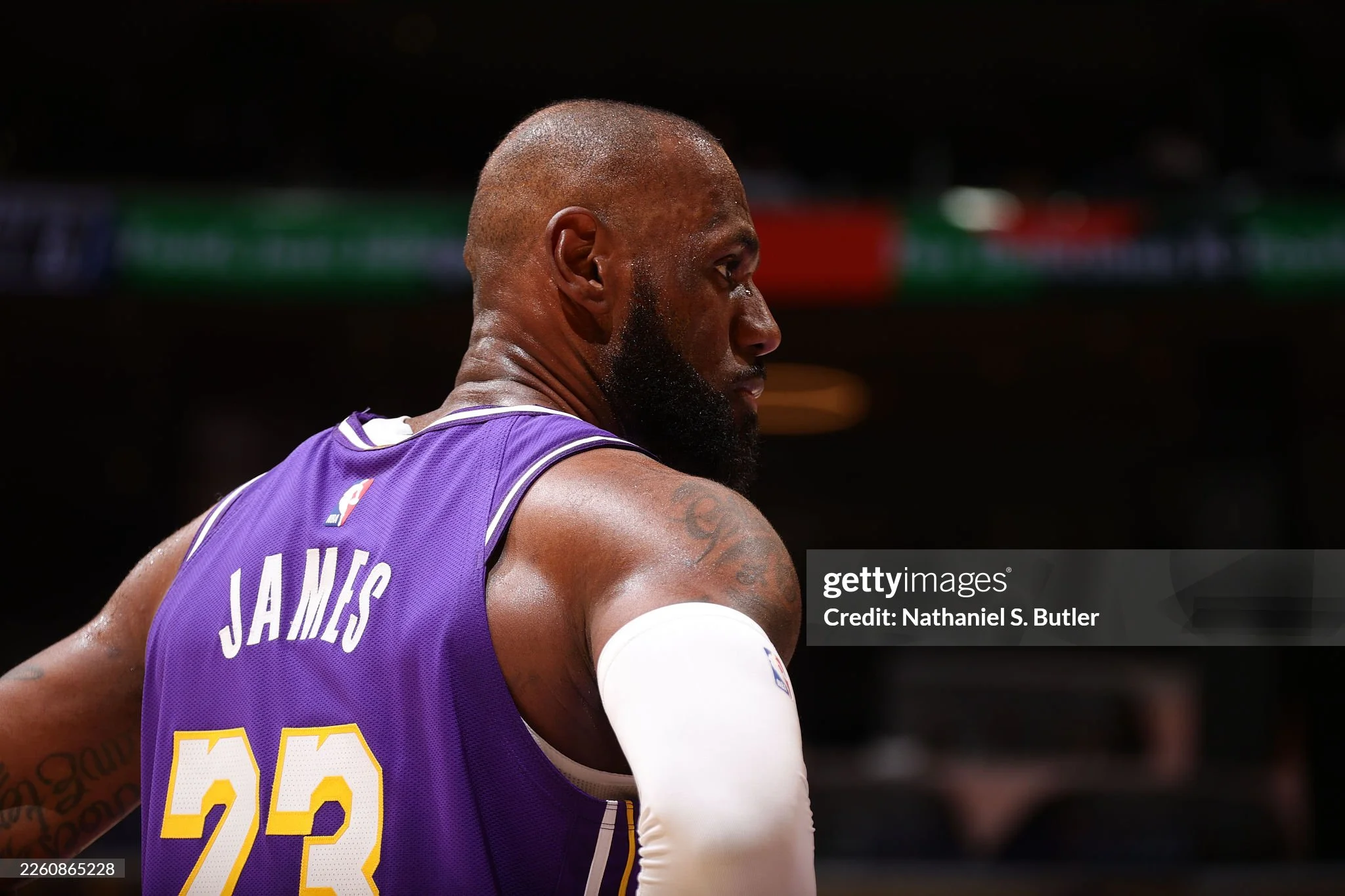
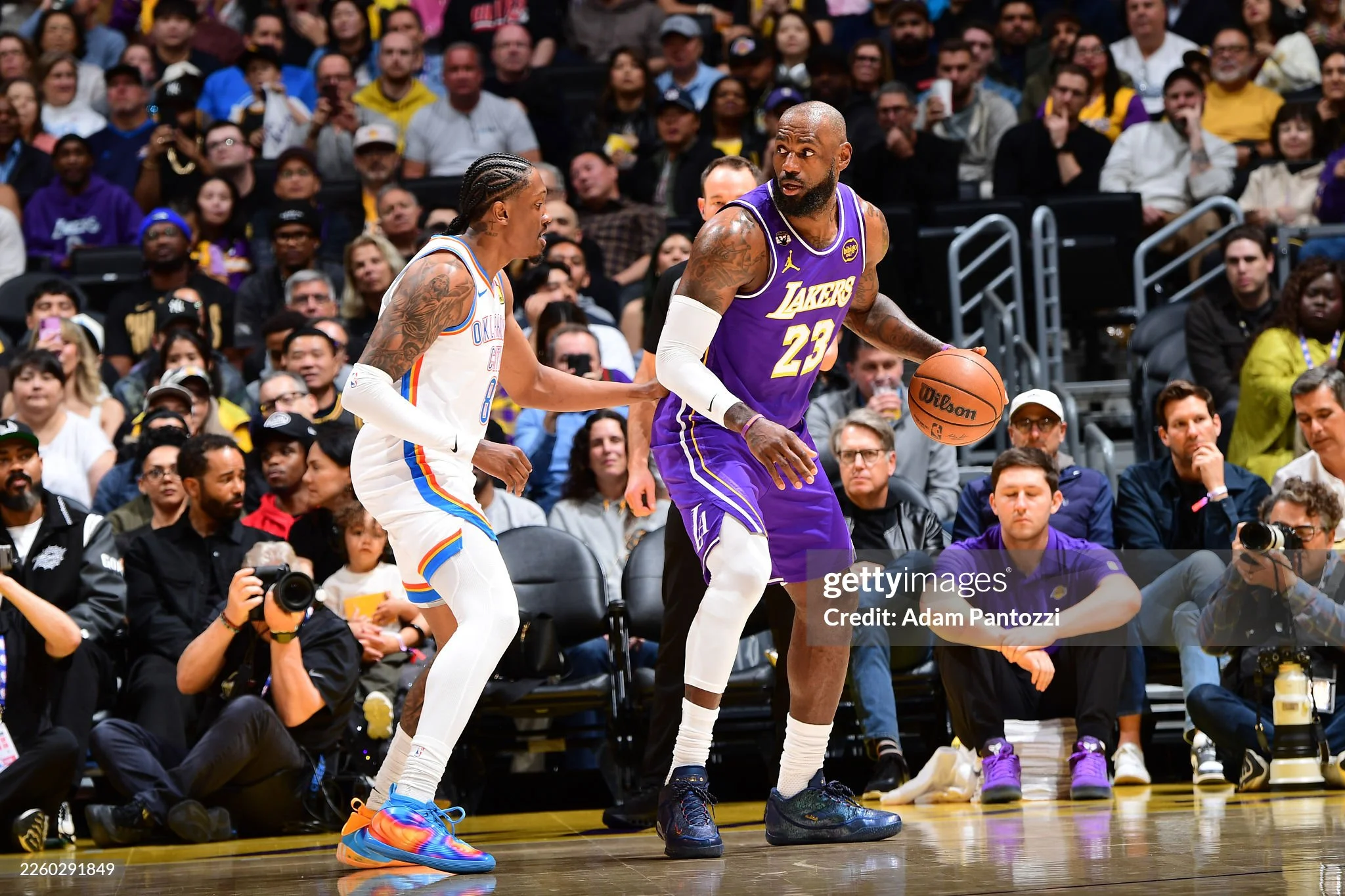
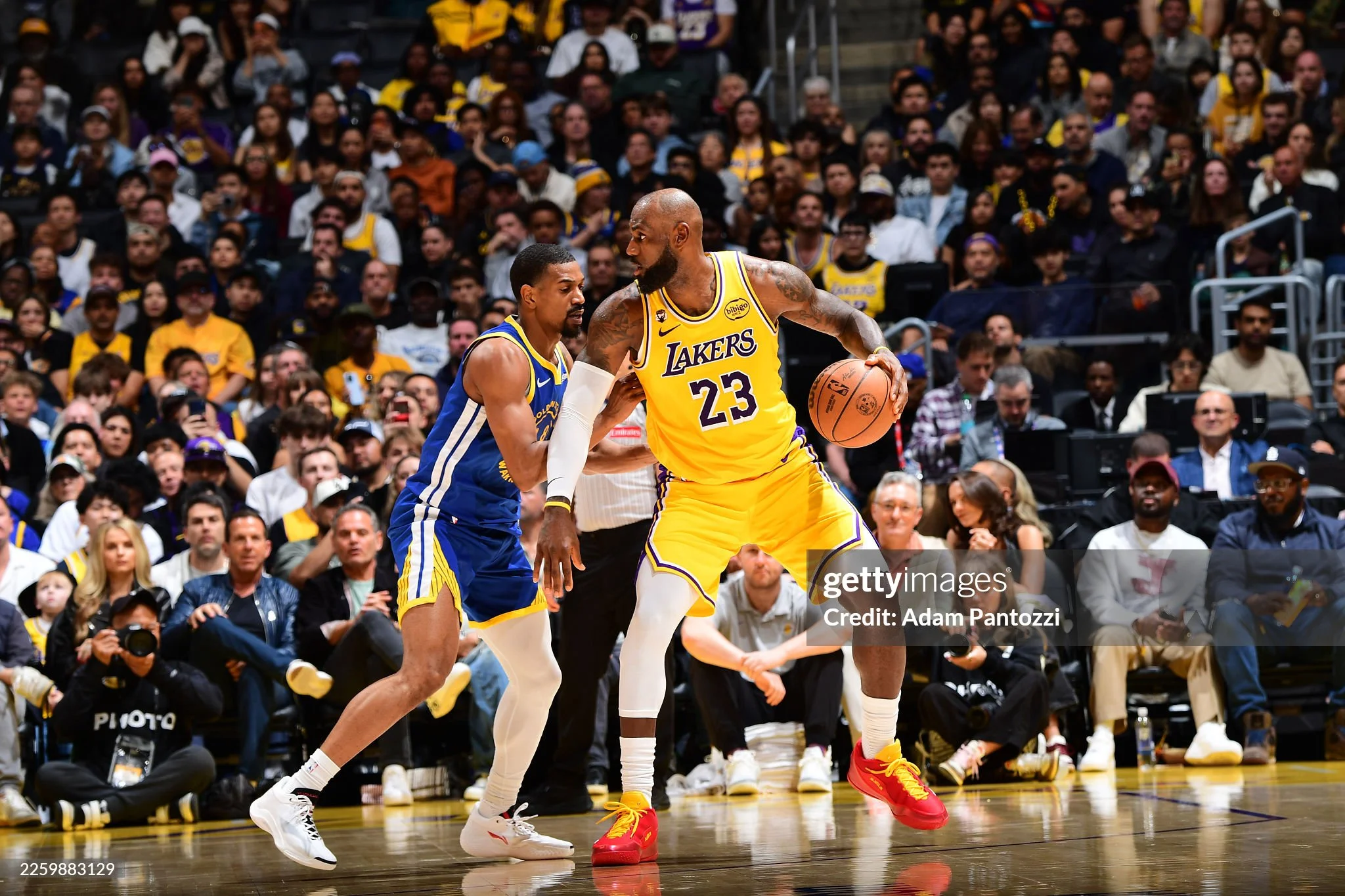
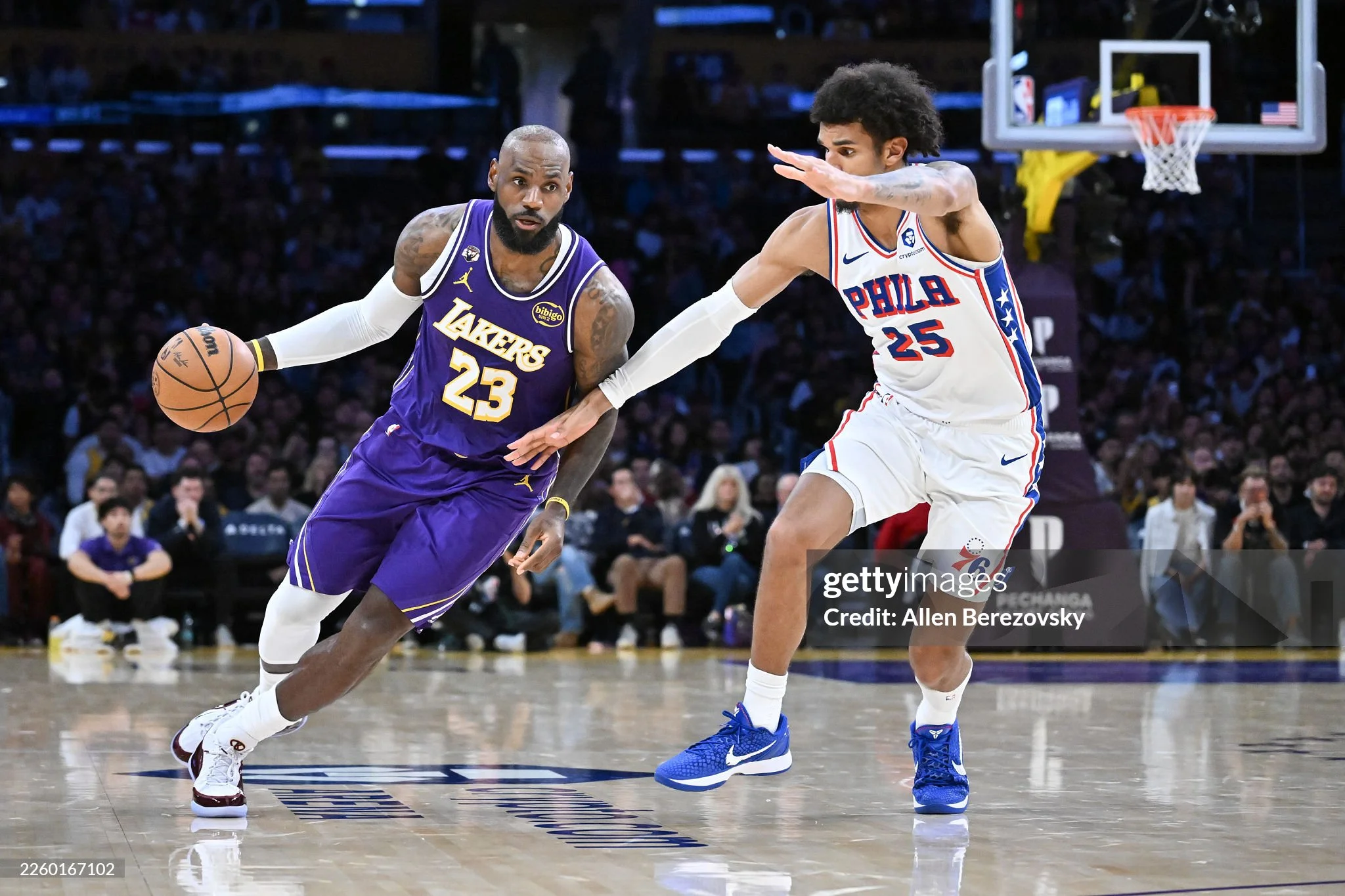
LeBron James finished with 26 points, nine rebounds, and 10 assists. Luka Dončić added 24 points, nine rebounds, and nine assists. On most nights, that combination is enough.
However, the issues were in the details.
Late turnovers, missed free throws, and rushed decisions under pressure undercut what was otherwise a strong offensive night. The Lakers shot just 57.1% from the free-throw line — a number that looms large in a four-point loss.
This is not about effort. It is about execution when the game tightens.
Late-Game Execution Continues to Be a Theme
The Lakers cut the deficit to two points in the final minutes, but every opportunity to tie or take the lead slipped away. A mistimed pass. A rushed possession. A missed free throw.
Those moments define close games against disciplined teams.
Milwaukee, by contrast, slowed the game down, protected the ball, and converted from the line when it mattered. That composure was the difference.
Context Within the Season Matters
This loss fits into a broader pattern for Los Angeles.
Against direct conference rivals and elite Eastern teams, the Lakers have often been competitive but inconsistent. Their margin for error remains thin, especially when they fail to dominate the possession game.
For Milwaukee, this win reinforces progress. They did not rely solely on Giannis overpowering the opponent. They won with balance, spacing, and control — qualities that translate well in playoff environments.
What This Game Says About Both Teams Going Forward
For the Bucks, this was a win that reflects growth. They absorbed pressure, trusted secondary creators, and closed cleanly.
For the Lakers, it raises familiar questions. Can they consistently execute late without mistakes? Can they compensate when free throws and turnovers swing against them? And can they impose their style against teams that refuse to speed up?
Those answers will define how far this group can realistically go.
Final Takeaway
The Bucks did not steal this game. They managed it.
Milwaukee was sharper in the moments that decide close contests, while the Lakers left too many points and possessions unused. Over a long season, those details separate teams that win tight games from teams that replay them in regret.
This was a narrow loss on the scoreboard — and a revealing one beneath it.
Join the Discussion
0 Comment(s)
Login to join the discussion: