
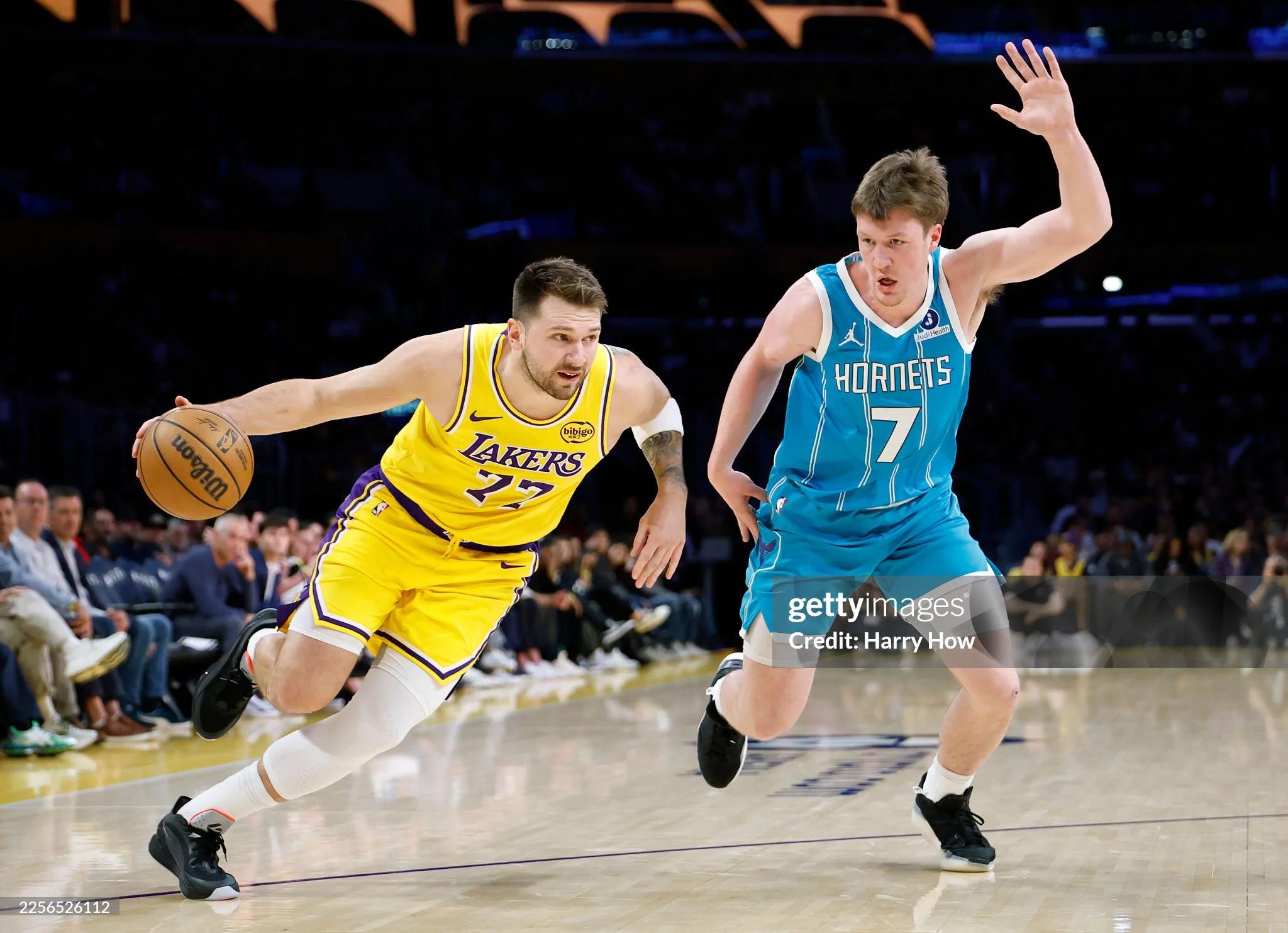
The Los Angeles Lakers’ 135–117 loss to the Charlotte Hornets was not a game that slipped away late. It unraveled early, grew worse by the quarter, and ended with a familiar sense of frustration surrounding defensive execution and team cohesion.
Charlotte did not simply outscore the Lakers. They outmoved them, out-spaced them, and consistently punished every breakdown with precision.
Charlotte Controlled the Game From the Opening Minutes
From the first quarter on, the Hornets dictated tempo and spacing. LaMelo Ball set the tone immediately, pushing pace, stretching the floor, and forcing the Lakers’ defense into constant reaction mode.
Ball finished with 30 points and 11 assists, knocking down 9 of his 17 three-point attempts. More importantly, he controlled where the game was played. Every defensive adjustment by Los Angeles seemed to open another passing lane or shooting window for Charlotte.
This does not fully show up in individual stats, but watching the full game makes it clear: the Lakers never disrupted Charlotte’s rhythm.
Ball Movement and Shooting Told the Real Story
Charlotte’s offensive numbers explain the margin:
- 54.3% shooting from the field (50-of-92)
- 46.5% from three-point range (20-of-43)
- 34 total assists
Those are not the marks of a team relying on isolation scoring. They reflect consistent ball movement, clean spacing, and defensive breakdowns that were never fully corrected.
Miles Bridges added 25 points on efficient shooting, Brandon Miller scored 26, and Kon Knueppel chipped in 19. Each of them benefited from the same issue: late rotations and poor closeouts.
Lakers’ Defense Never Found Answers
In my view, the most concerning aspect of the loss was how quickly the Lakers’ defensive structure collapsed.
Charlotte found open cutters, uncontested threes, and easy paint touches throughout the night. The Lakers struggled to protect both the rim and the perimeter — an impossible balancing act when communication is slow and help arrives late.
Even when Los Angeles limited turnovers to just nine, the Hornets repeatedly converted clean looks in the half court. The defense did not force difficult decisions. It allowed comfortable ones.
Star Performances Couldn’t Offset Structural Problems
Individually, the Lakers received strong nights from their stars.
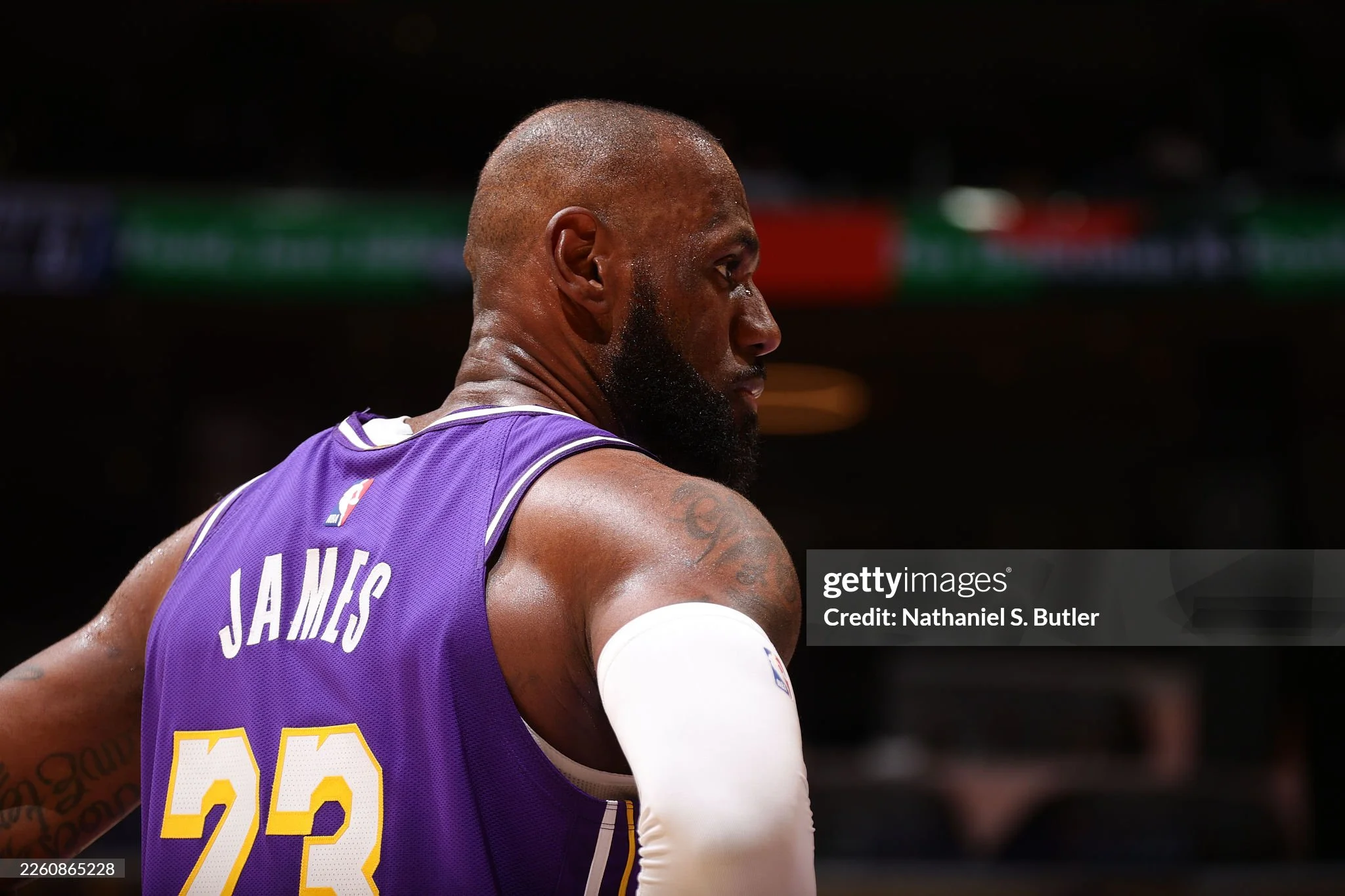
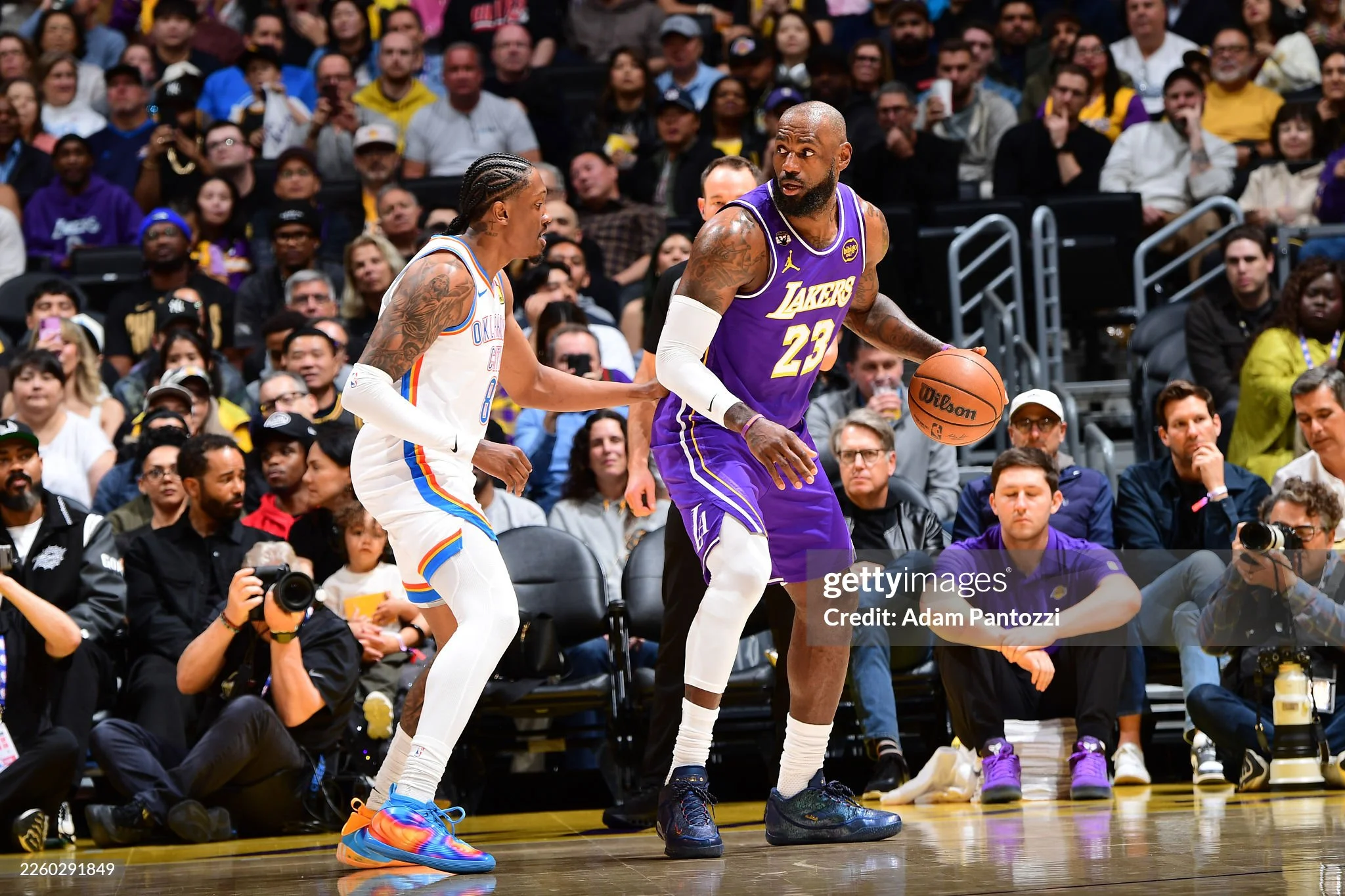
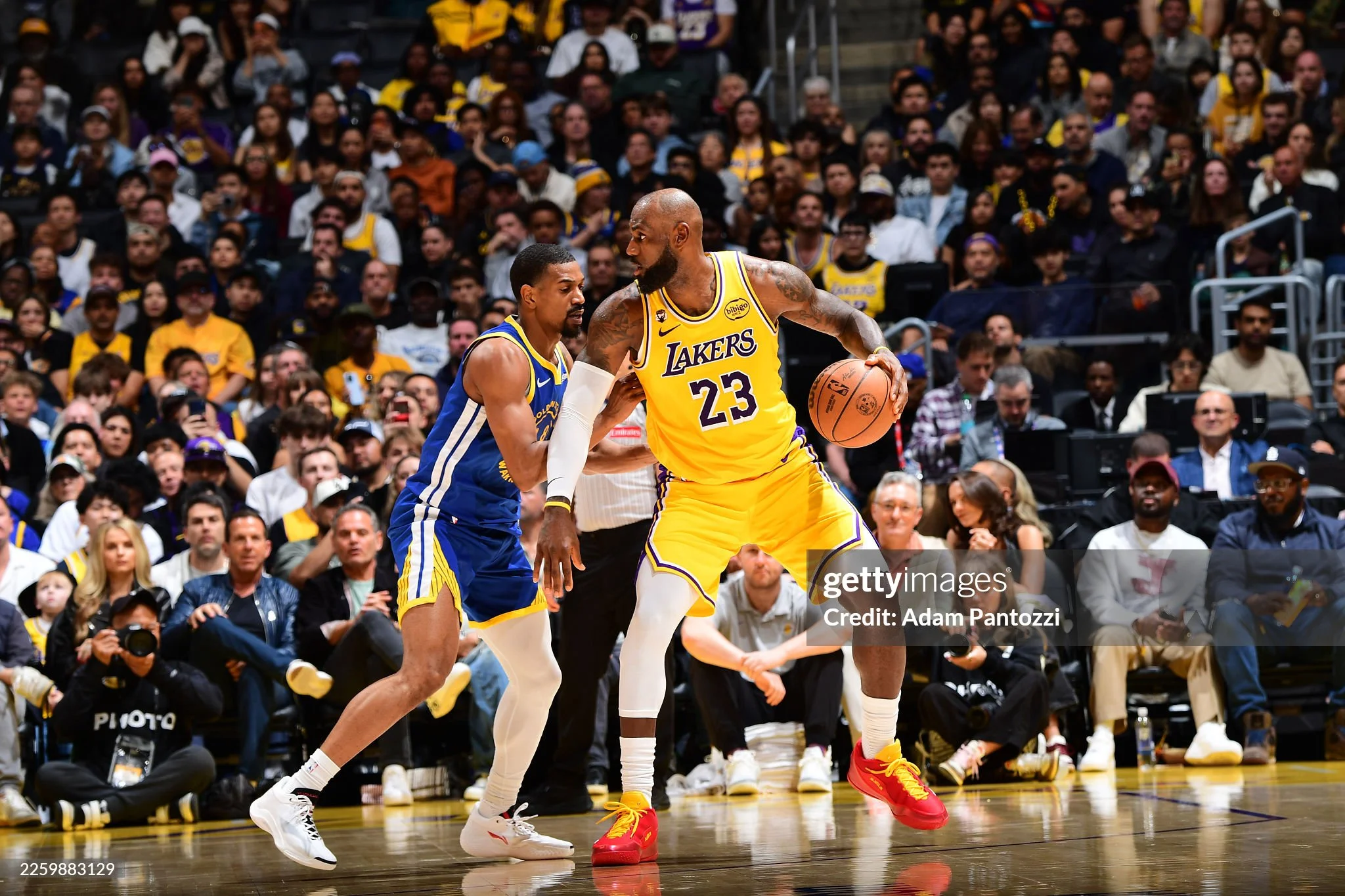
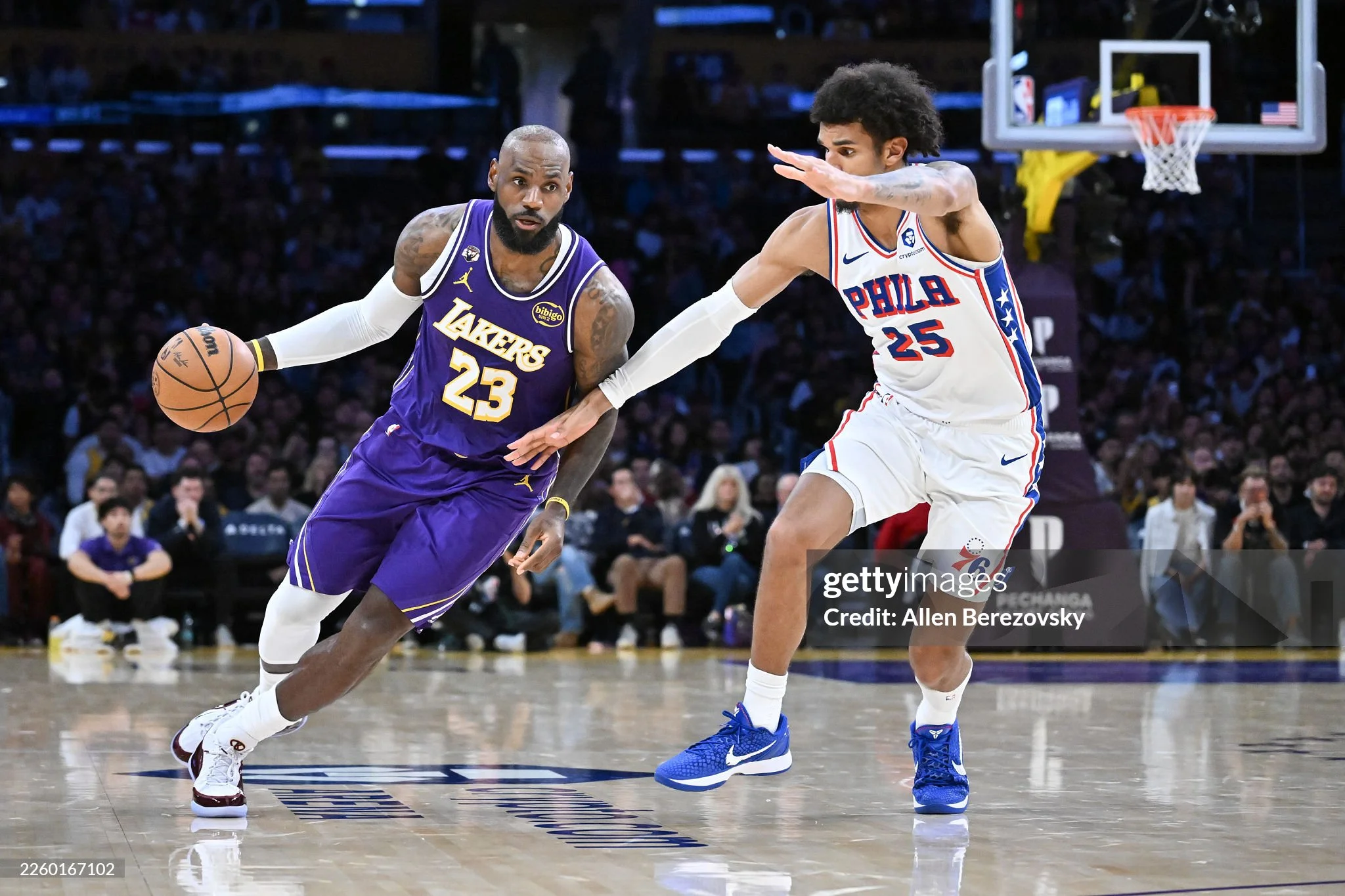
Luka Dončić poured in 39 points, hitting six of his 11 three-point attempts and carrying the offense for long stretches. LeBron James added 29 points and six assists, attacking mismatches and scoring efficiently when opportunities presented themselves.
But this was not a game where individual brilliance could mask systemic issues.
Los Angeles finished with just 18 assists as a team — a sharp contrast to Charlotte’s 34. That gap reflects a stagnant offense too dependent on shot-making rather than advantage creation.
Rebounding and Physicality Favored Charlotte
The Hornets also won the physical battle, out-rebounding the Lakers 54–46. Moussa Diabaté’s eight rebounds were emblematic of Charlotte’s energy advantage, particularly on loose balls and second-chance opportunities.
For a Lakers team built around size and star power, losing the rebounding margin only amplified the frustration.
Rotation and Bench Questions Resurfaced
This loss also reignited concerns about rotation stability and bench impact. The Lakers did not receive consistent defensive energy or scoring relief from their second unit, allowing Charlotte to maintain momentum even when starters rested.
Against a young, athletic team like the Hornets, that lack of depth and intensity becomes magnified.
The issue was not effort alone. It was cohesion.
Why This Loss Matters Beyond the Score
A 135-point night from the opponent is always alarming, but the manner in which it happened is more troubling.
The Lakers were not undone by a few bad possessions. They were consistently out-executed across multiple areas: defensive communication, rebounding, ball movement, and transition awareness.
This fits a broader pattern when Los Angeles faces teams that combine speed, shooting, and confidence. When the defense fails to impose physicality early, the game can spiral quickly.
What Needs Immediate Attention
If the Lakers want to prevent nights like this from repeating, several areas demand urgent focus:
- Perimeter containment and closeout discipline
- Clearer defensive communication on switches
- More consistent bench energy and contribution
- Better offensive flow beyond isolation scoring
These are not abstract issues. They are tangible habits that separate competitive teams from inconsistent ones.
Final Takeaway
The Hornets earned this win with execution, balance, and confidence. The Lakers, meanwhile, left the court with unanswered questions.
Despite strong performances from Luka Dončić and LeBron James, Los Angeles never looked comfortable defensively and never regained control once Charlotte seized momentum.
This was not just a bad night. It was a reminder that without defensive cohesion and collective effort, even elite star power has limits.
Join the Discussion
0 Comment(s)
Login to join the discussion: