
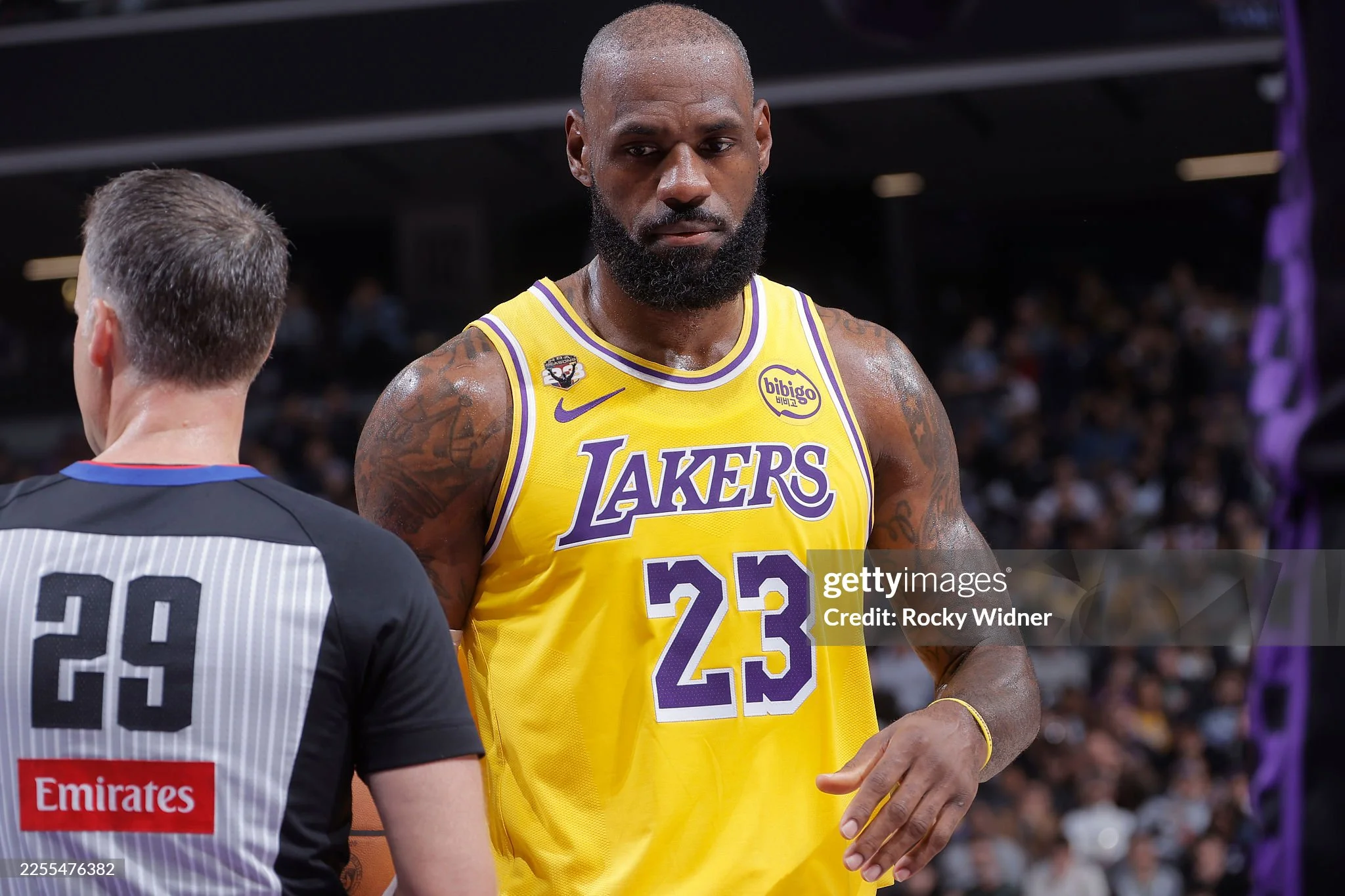
The Los Angeles Lakers’ 124–112 loss to the Sacramento Kings on Tuesday night was the kind of defeat that lingers longer than the box score suggests. Despite an extraordinary individual performance from Luka Dončić, the Lakers walked out of the Golden 1 Center with a familiar and frustrating feeling: they never truly controlled the game.
This was not a loss defined by effort. It was defined by execution, defensive discipline, and the inability to keep pace with an opponent that punished every mistake from the perimeter.
A Superstar Performance That Deserved Better Support
Luka Dončić was exceptional by any standard. He finished with 42 points on 16-of-25 shooting, along with eight assists and seven rebounds in just under 37 minutes. His efficiency, shot selection, and control of the offense were elite, even by his own high expectations.
Watching the full game makes it clear that Dončić was not forcing the issue. He scored within the flow, attacked mismatches, and consistently made the right read when help arrived. This was not empty scoring. It was a complete offensive performance.
Yet once again, it was not enough.
Why the Lakers Never Found Defensive Stability
In my view, the game was decided less by what the Lakers failed to do offensively and more by what they could not stop defensively.
Sacramento shot an absurd 65.4% from three-point range (17-of-26) and finished the night at 58.5% from the field overall. Those numbers are not just hot shooting — they are a reflection of defensive breakdowns, slow rotations, and poor communication.
Too often, Kings shooters were stepping into rhythm threes without pressure. Cuts to the basket went unchallenged. Closeouts were late or misdirected. This does not show up as a single glaring mistake, but watching possession after possession reveals a defense that never fully settled.
DeMar DeRozan Controlled the Game’s Rhythm
DeMar DeRozan led Sacramento with 32 points, but his impact went beyond scoring. He dictated tempo, forced defensive switches, and punished the Lakers whenever they overcommitted.
Malik Monk added 26 points, Russell Westbrook chipped in 22, and Zach LaVine contributed 19. It was a collective offensive effort that constantly stretched the Lakers’ coverage and forced them to play from behind.
This balance is what made the Kings so difficult to contain. The Lakers could not load up on one player without immediately paying the price elsewhere.
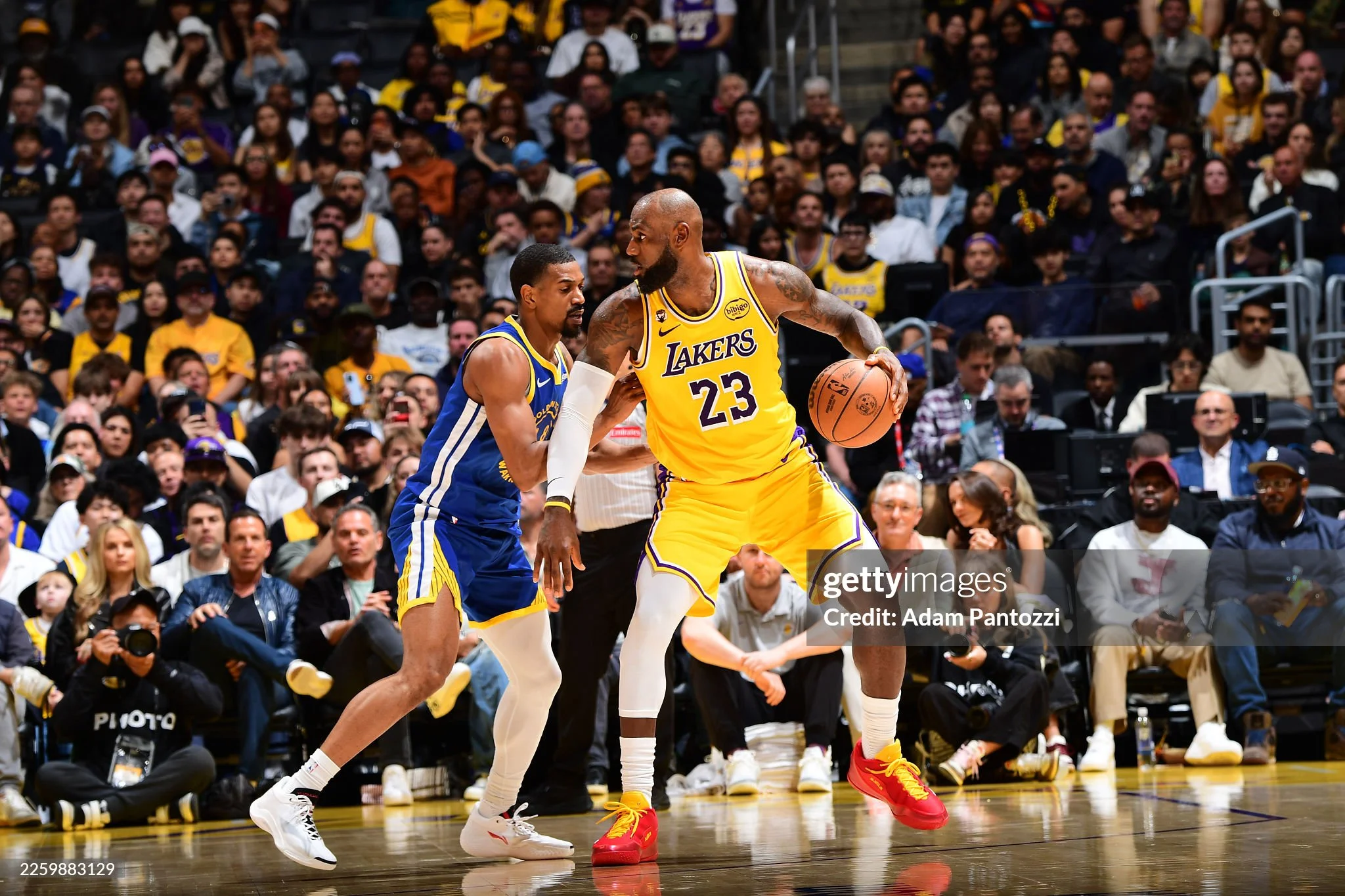
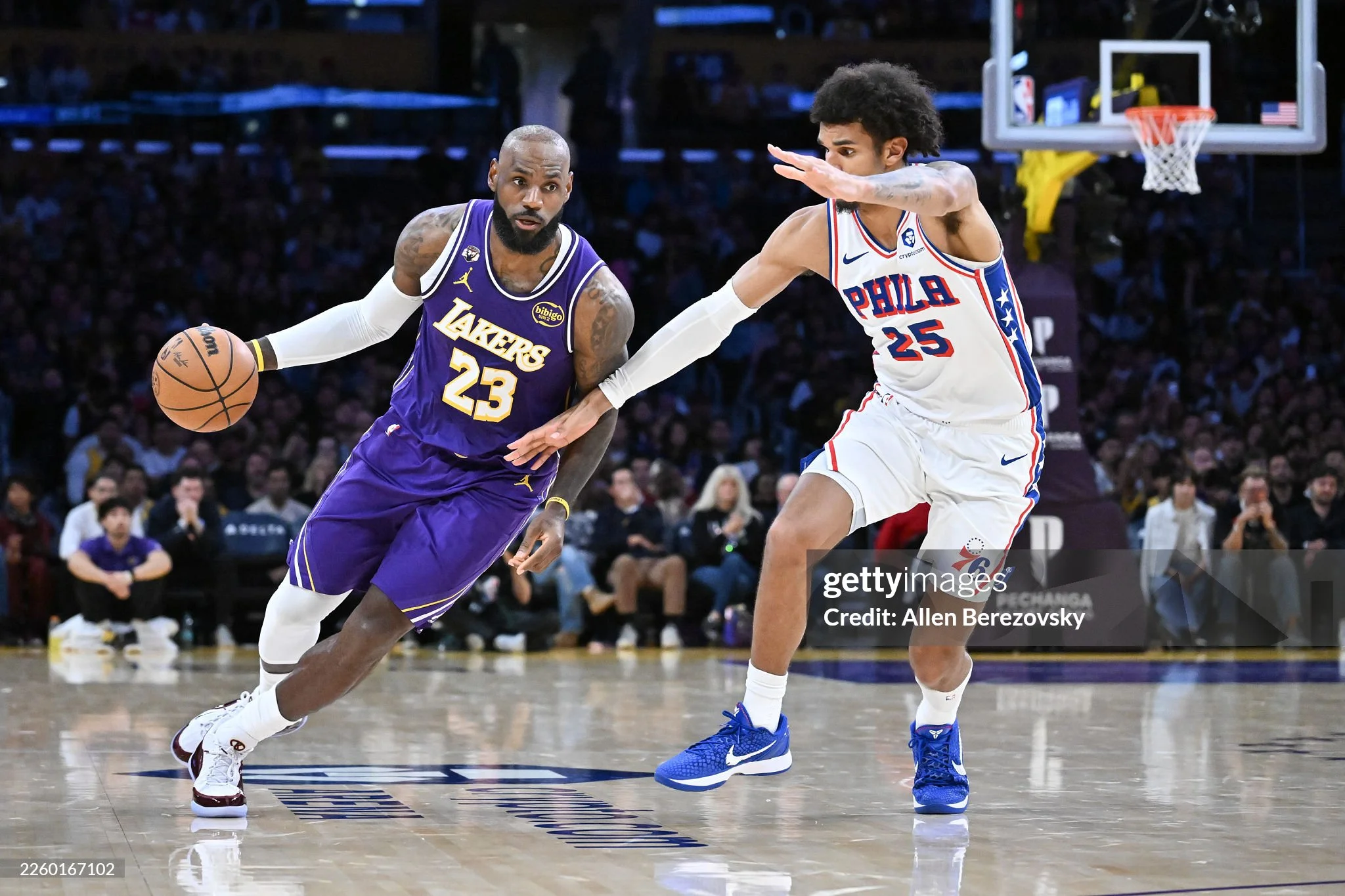
LeBron James Was Solid — But Not a Game-Changer
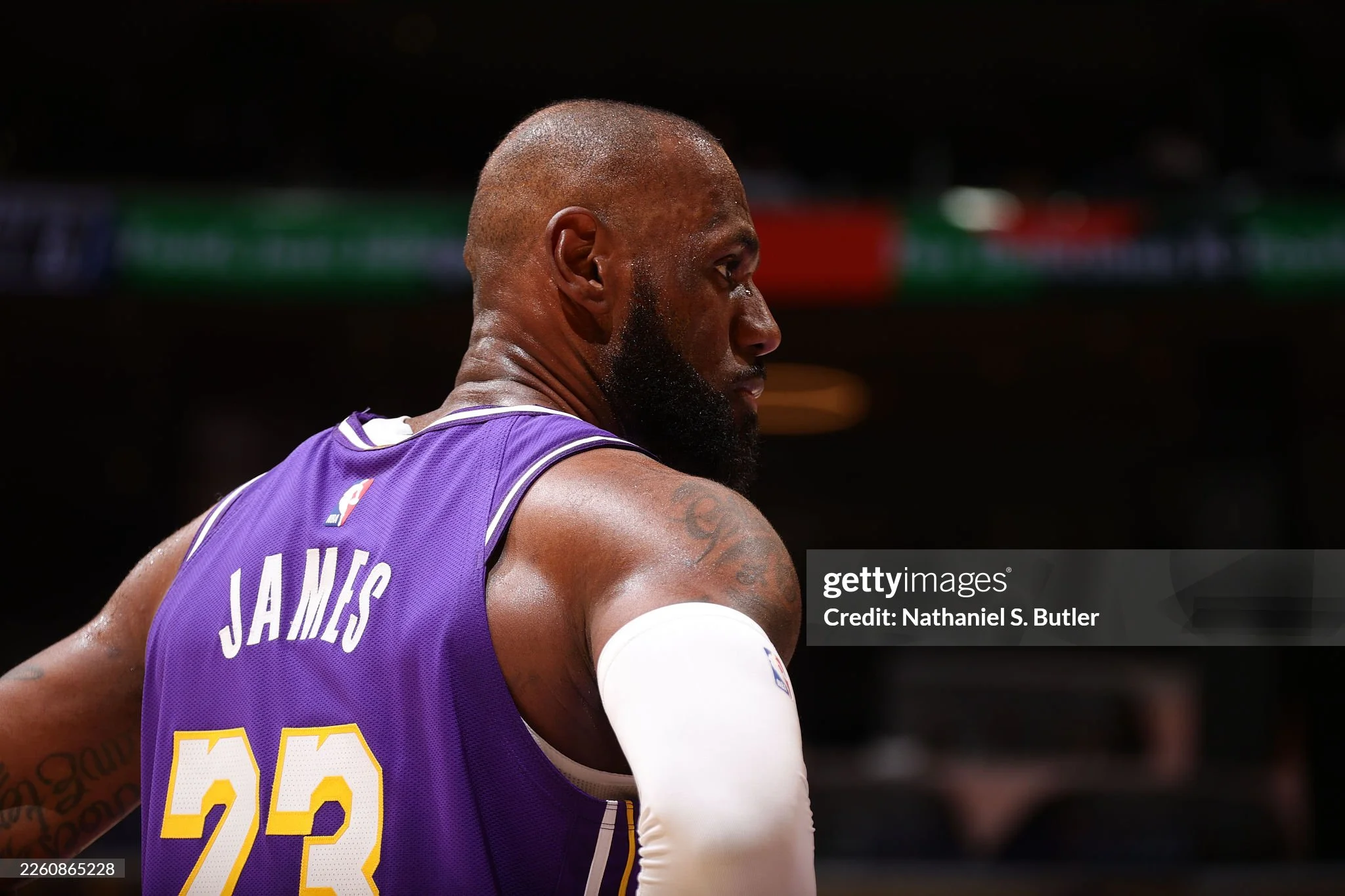
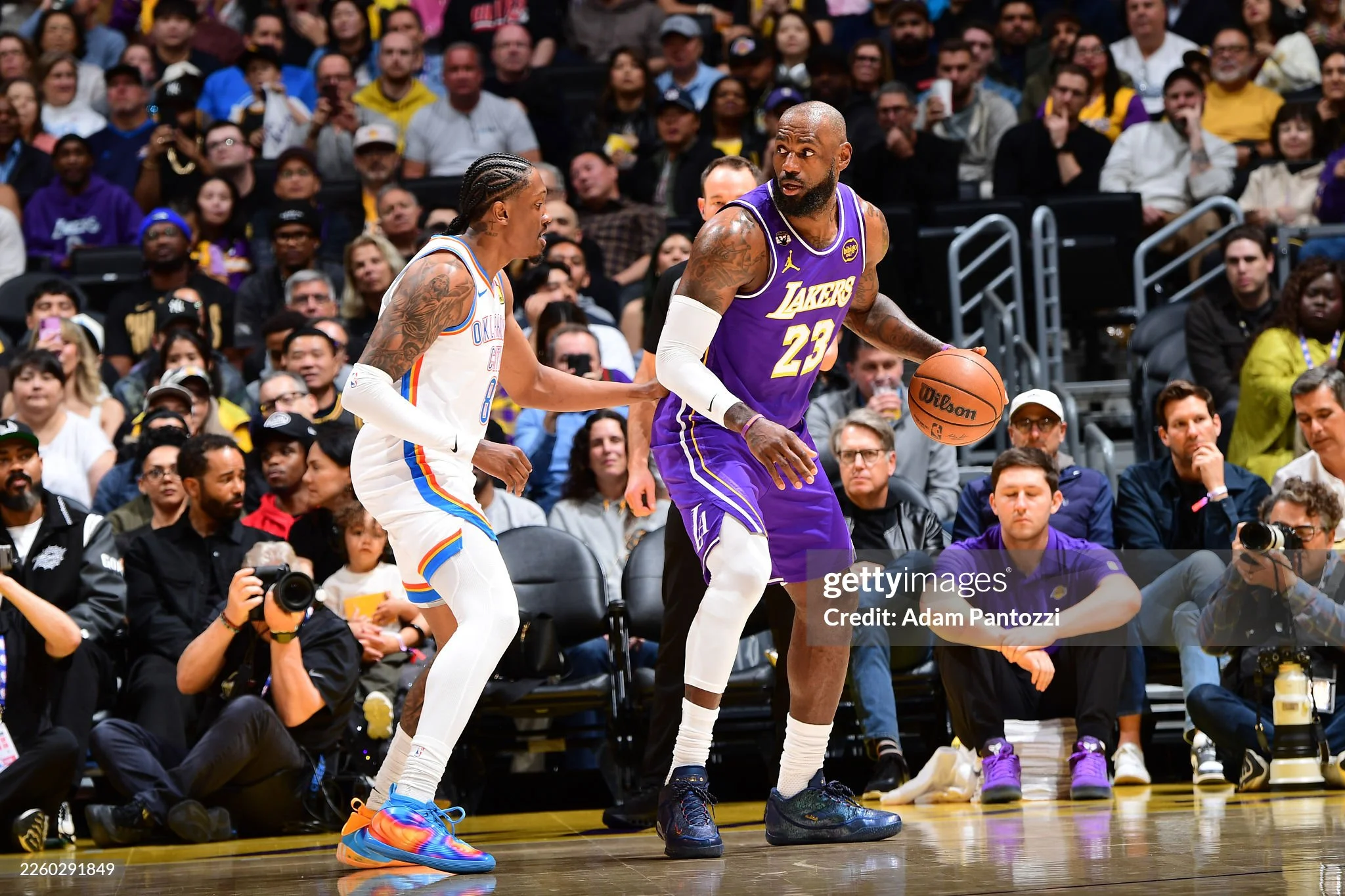
LeBron James finished with 22 points and was perfect from the free-throw line (6-for-6). On paper, it looks like a strong night.
But context matters.
LeBron made plays in spurts rather than stretches. His decision-making, particularly on the defensive end, did not consistently shift momentum. At this stage of his career, expecting him to erase structural defensive issues is unrealistic.
This is not a criticism of LeBron as much as it is a reflection of roster reality.
Deandre Ayton Did His Job — But It Wasn’t Enough
Deandre Ayton posted a double-double with 13 points and 13 rebounds and held his own in the paint. However, his presence did little to fix the Lakers’ perimeter problems.
When a team is being beaten from the outside, interior stability only goes so far. Sacramento forced the Lakers into constant help situations, pulling defenders away from shooters and creating open looks that were converted at an unsustainable — yet unchallenged — rate.
Perimeter Shooting and Turnovers Told the Story
While the Kings lit up the scoreboard from deep, the Lakers struggled mightily.
Los Angeles shot just 22.2% from three-point range (8-of-36). That disparity alone created a massive gap in expected scoring. Even when the Lakers generated decent looks, they failed to capitalize.
Add in 10 turnovers — several of them coming at critical moments — and the margin became impossible to overcome.
This is where the game slipped away. Not in one quarter, but over dozens of small moments where execution failed.
Rotation Decisions Raised Legitimate Questions
One of the lingering discussions from this loss will center on rotation choices. Rui Hachimura, a player expected to be part of the regular rotation, did not see the floor due to a coaching decision.
Meanwhile, bench production overall was underwhelming. The Lakers did not receive enough secondary scoring or defensive energy to relieve pressure from their stars.
In a game where Sacramento’s depth made a clear difference, the Lakers’ lack of reliable two-way contributors was glaring.
This Loss Fits a Larger Pattern
At 23–12, the Lakers remain well-positioned in the Western Conference standings. But results like this reinforce a troubling trend.
When facing teams that can:
- Shoot consistently from the perimeter
- Attack defensive rotations
- Maintain offensive balance
the Lakers struggle to impose their identity.
They are often competitive, but rarely in control.
This is not about one bad night. It is about repeatable issues that surface against high-level opponents.
Why This Game Matters More Than the Score
If you only look at the final margin, this appears to be a respectable road loss. Watching the full game tells a different story.
Sacramento dictated pace, spacing, and shot quality. The Lakers spent most of the second half reacting rather than adjusting.
In a playoff environment, that dynamic becomes even more dangerous.
What Needs to Change Moving Forward
The answers are not simple, but the priorities are becoming clearer:
- Defensive communication on the perimeter must improve
- Rotations need greater consistency and trust
- The supporting cast must contribute on both ends
- Elite performances from Luka Dončić cannot be wasted
Without tangible improvement in these areas, the Lakers’ ceiling remains limited, regardless of individual brilliance.
Final Takeaway
Luka Dončić delivered a performance worthy of a win. The Lakers did not.
Sacramento exposed defensive flaws, punished poor spacing, and capitalized on every mistake. For Los Angeles, this was not just a missed opportunity — it was another reminder that star power alone is not enough.
If the Lakers want to turn nights like this into wins, the solutions must come from structure, depth, and discipline — not from expecting their stars to solve everything.
Join the Discussion
0 Comment(s)
Login to join the discussion: